

Tourishq · 50+ Destinations
Where do you want to go?
Ladakh
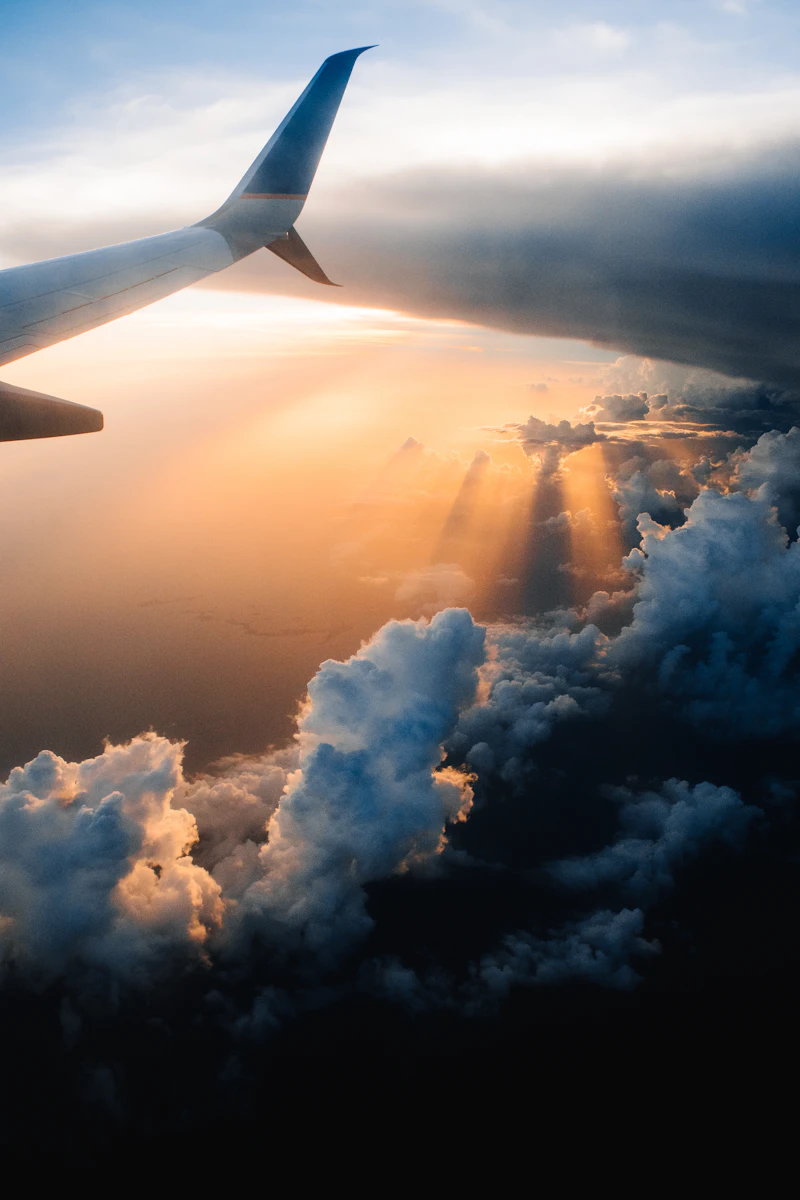
Ladakh is a breathtaking Union Territory in northern India, often called the "Land of High Passes" due to its soaring mountain terrain. It is a stunning cold desert characterized by dramatic, barren mountains, vibrant blue lakes like Pangong Tso, and deep valleys. The region is deeply influenced by Tibetan Buddhist culture, which is beautifully preserved in its ancient, cliffside monasteries like Thiksey and Hemis. Known for its adventure sports like trekking and motorcycling, Ladakh is a bucket-list destination for travelers seeking raw, untouched natural beauty.
Kashmir
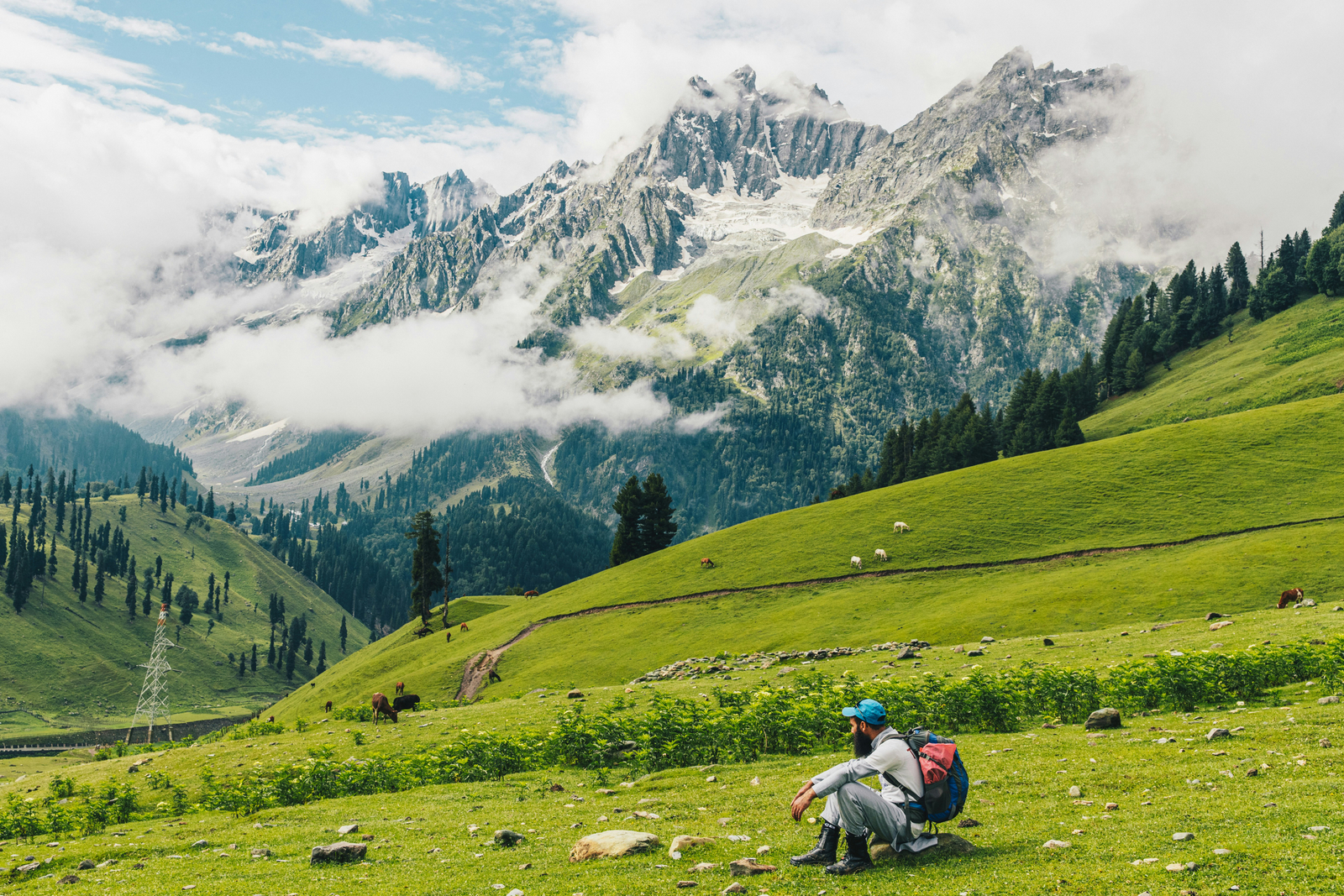
Kashmir, often called "Paradise on Earth," is a Himalayan region in northern India renowned for its snow-capped mountains, alpine meadows, and serene lakes. Srinagar, the summer capital, is home to the iconic Dal Lake, where houseboats and shikara rides offer a slower, more romantic pace, alongside Mughal-era gardens like Shalimar Bagh and Nishat Bagh. A short drive away, Gulmarg transforms into one of India's premier ski and snowboarding destinations in winter, while its gondola, the Gulmarg Gondola, ranks among the highest cable cars in the world. Pahalgam, set along the Lidder River, serves as a base for scenic valleys like Betaab Valley and Aru, popular for both leisure travel and as a starting point for the Amarnath Yatra. Kashmir's culture is deeply woven with Persian and Central Asian influences, visible in its handwoven carpets, pashmina shawls, and richly spiced Wazwan cuisine. With dramatic seasonal contrasts vivid spring blooms, snow-laden winters, and golden autumns Kashmir remains one of India's most visually striking and consistently sought-after destinations.
Nepal
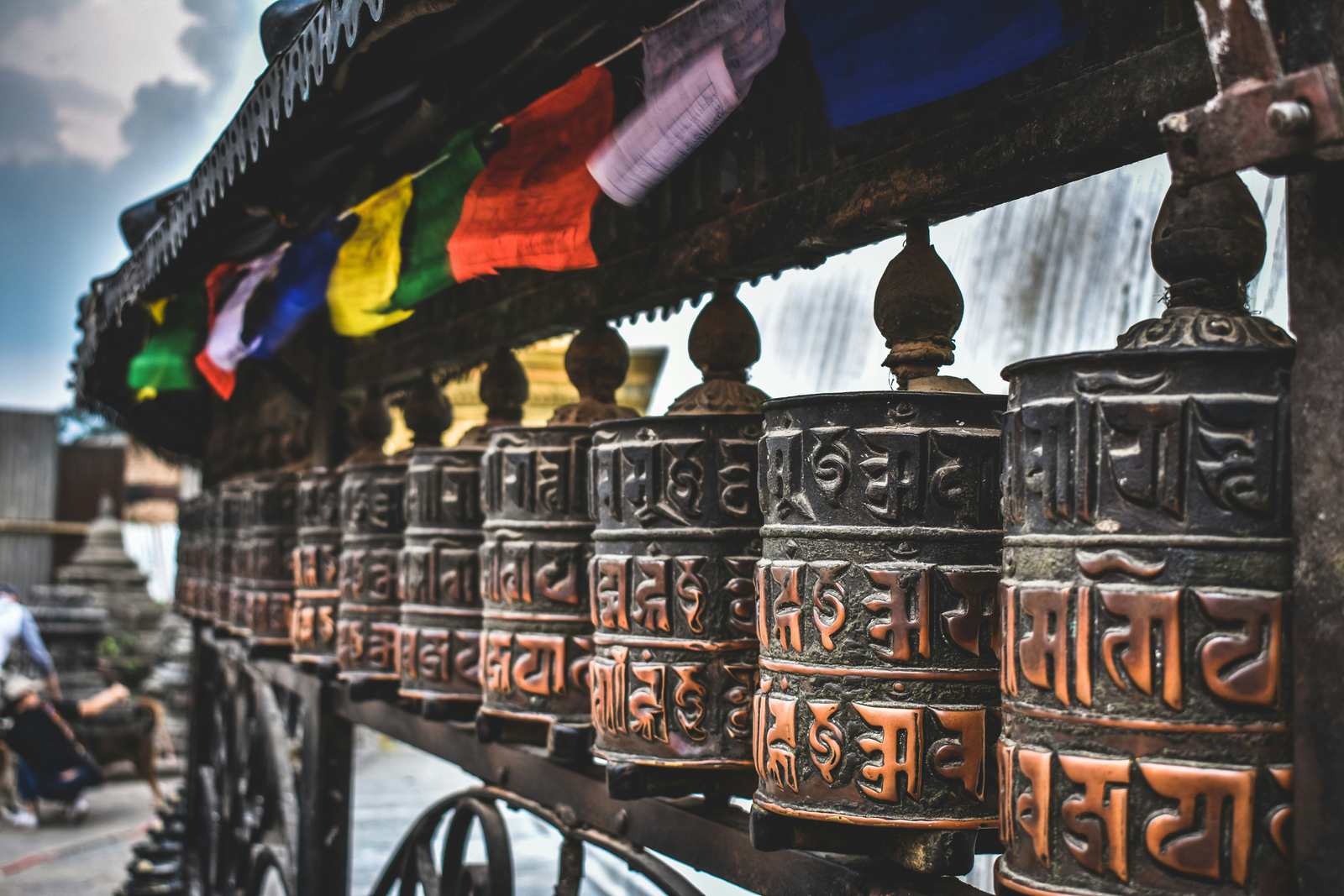
Nepal is a landlocked Himalayan nation bordering India, home to eight of the world's ten highest peaks, including Mount Everest. Kathmandu, the capital, blends ancient temples and UNESCO-listed sites like Pashupatinath, Boudhanath Stupa, and Durbar Square with a chaotic, atmospheric old-city energy. Pokhara, set beside Phewa Lake with the Annapurna range as a backdrop, serves as Nepal's adventure hub, offering paragliding, boating, and access to treks like Annapurna Base Camp and Poon Hill. For those seeking the ultimate Himalayan experience, Everest Base Camp treks and scenic mountain flights draw travellers from across the world. Nepal's culture is deeply rooted in Hindu and Buddhist traditions coexisting side by side, visible in its temples, monasteries, and prayer-flag-lined mountain trails. With a currency pegged to the Indian Rupee, easy visa access for Indian citizens, and a landscape ranging from subtropical lowlands to the world's highest mountains, Nepal remains one of the most accessible yet awe-inspiring international destinations for Indian travellers.
Rajasthan
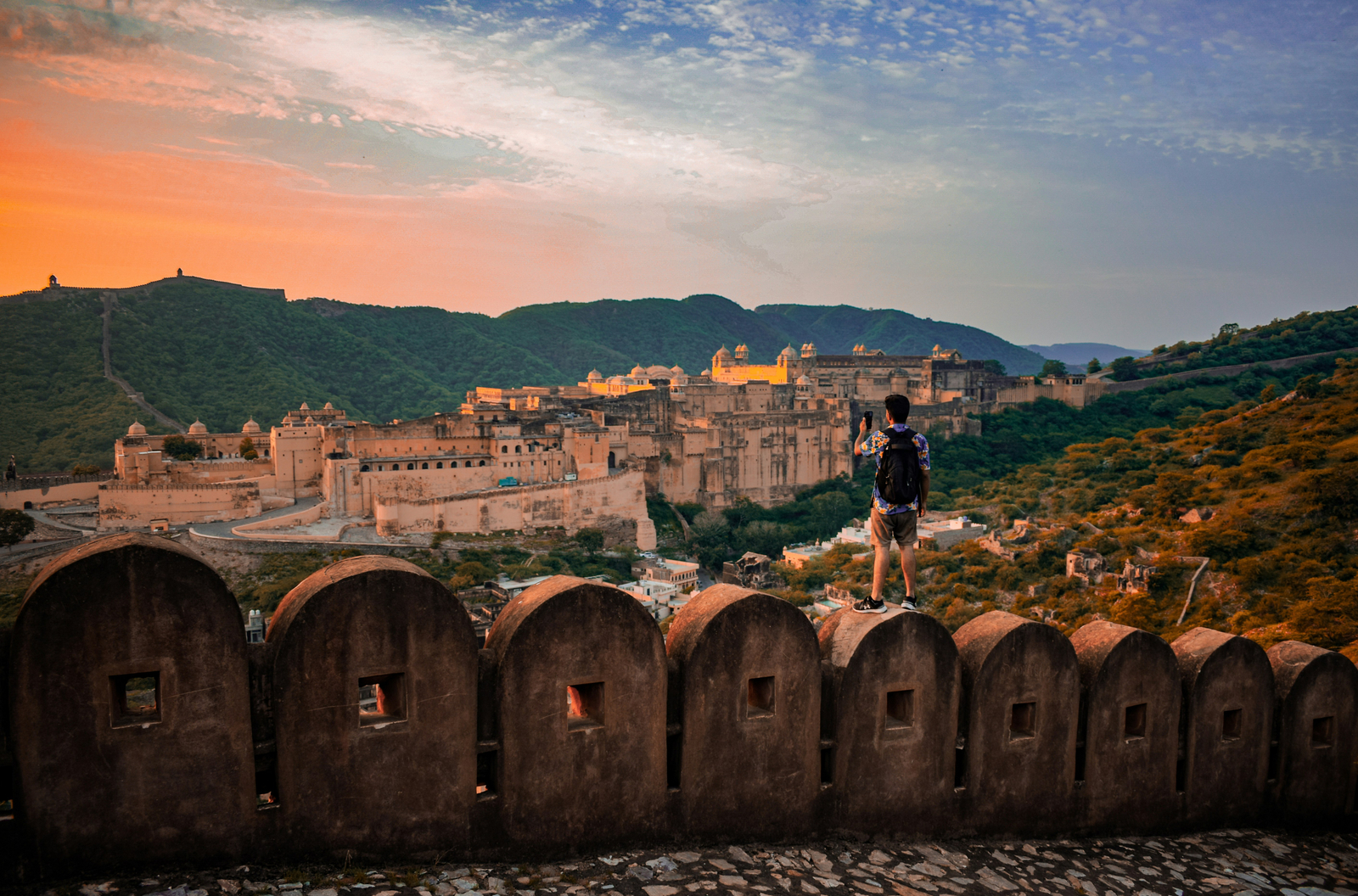
Rajasthan is India's largest state and its most regal, a land of golden deserts, majestic forts, and palaces that once housed maharajas. Jaipur, the "Pink City," anchors the state with landmarks like the Amber Fort, City Palace, and Hawa Mahal, blending royal history with a buzzing bazaar culture. West of Jaipur, Jodhpur's "Blue City" is dominated by the imposing Mehrangarh Fort, while further out, Jaisalmer rises from the Thar Desert like a golden mirage, complete with camel safaris and overnight desert camps under star-filled skies. Udaipur, the "City of Lakes," offers a softer, more romantic side of Rajasthan with its lake palaces and reflective waters, making it one of India's most popular destinations for weddings and honeymoons. Beyond its architecture, Rajasthan is defined by its vibrant culture folk music, colourful textiles, and some of the most elaborate cuisine in the country. Its royal heritage hotels, many converted from actual palaces and forts, make it a rare destination where luxury and history are the same experience.
Bhutan
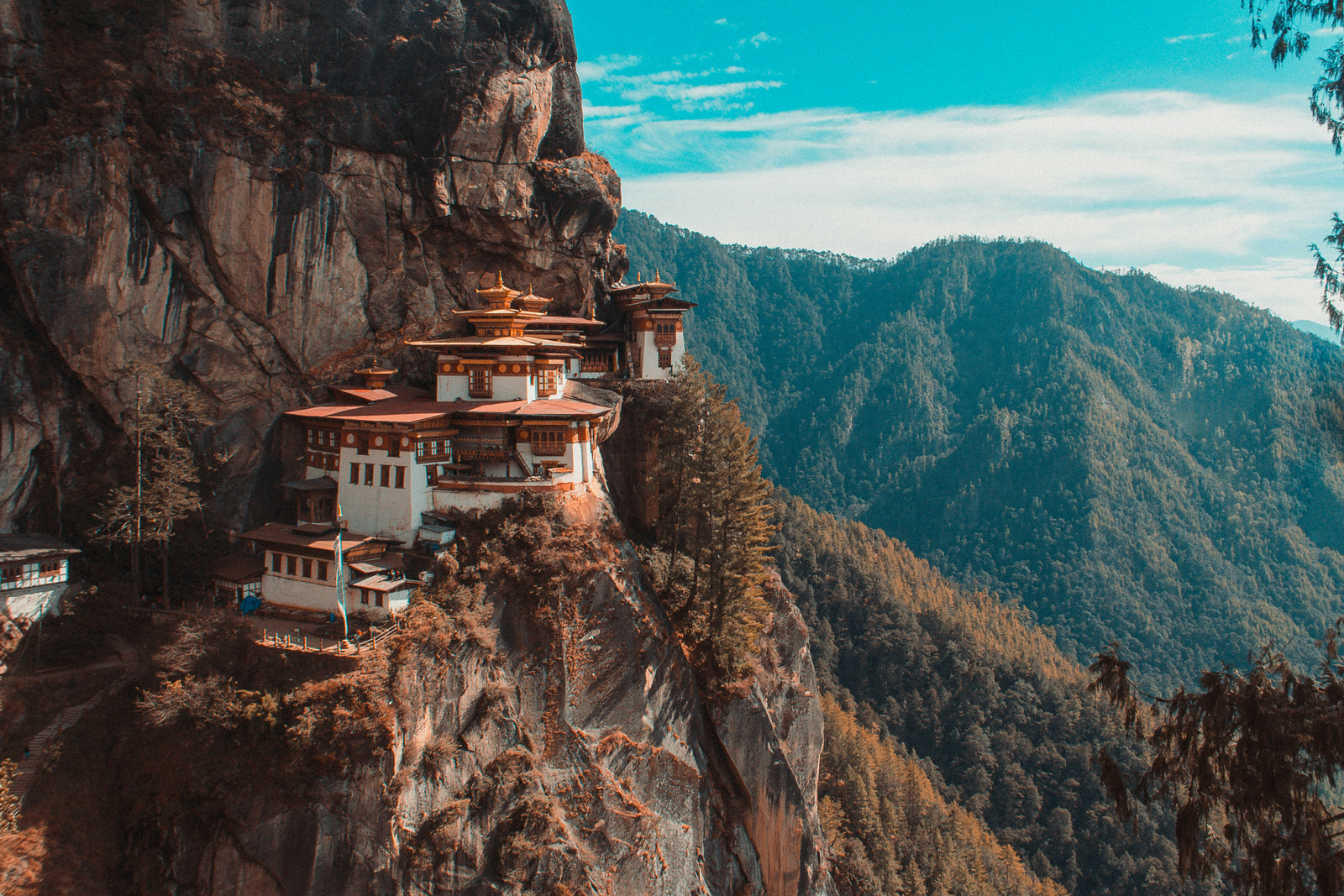
Bhutan is a small Himalayan kingdom between India and China, known for its pristine landscapes, deep Buddhist heritage, and unique philosophy of Gross National Happiness over economic growth. Thimphu, the capital, retains a distinctly traditional character with no traffic lights and buildings following strict architectural codes, while Paro is home to the iconic Tiger's Nest Monastery, perched dramatically on a cliffside 900 metres above the valley floor. Punakha, Bhutan's former capital, features one of the country's most photographed dzongs at the confluence of two rivers. Bhutan's tourism model is intentionally low-volume and high-value, with a Sustainable Development Fee applied to visitors, resulting in uncrowded monasteries, pristine forests, and an authentic, unhurried travel experience. The country's culture remains deeply tied to Vajrayana Buddhism, visible in its dzongs, prayer flags, and festivals, while its policy of preserving forest cover and limiting mass tourism has kept Bhutan one of the most environmentally pristine countries in the world.
Sri Lanka
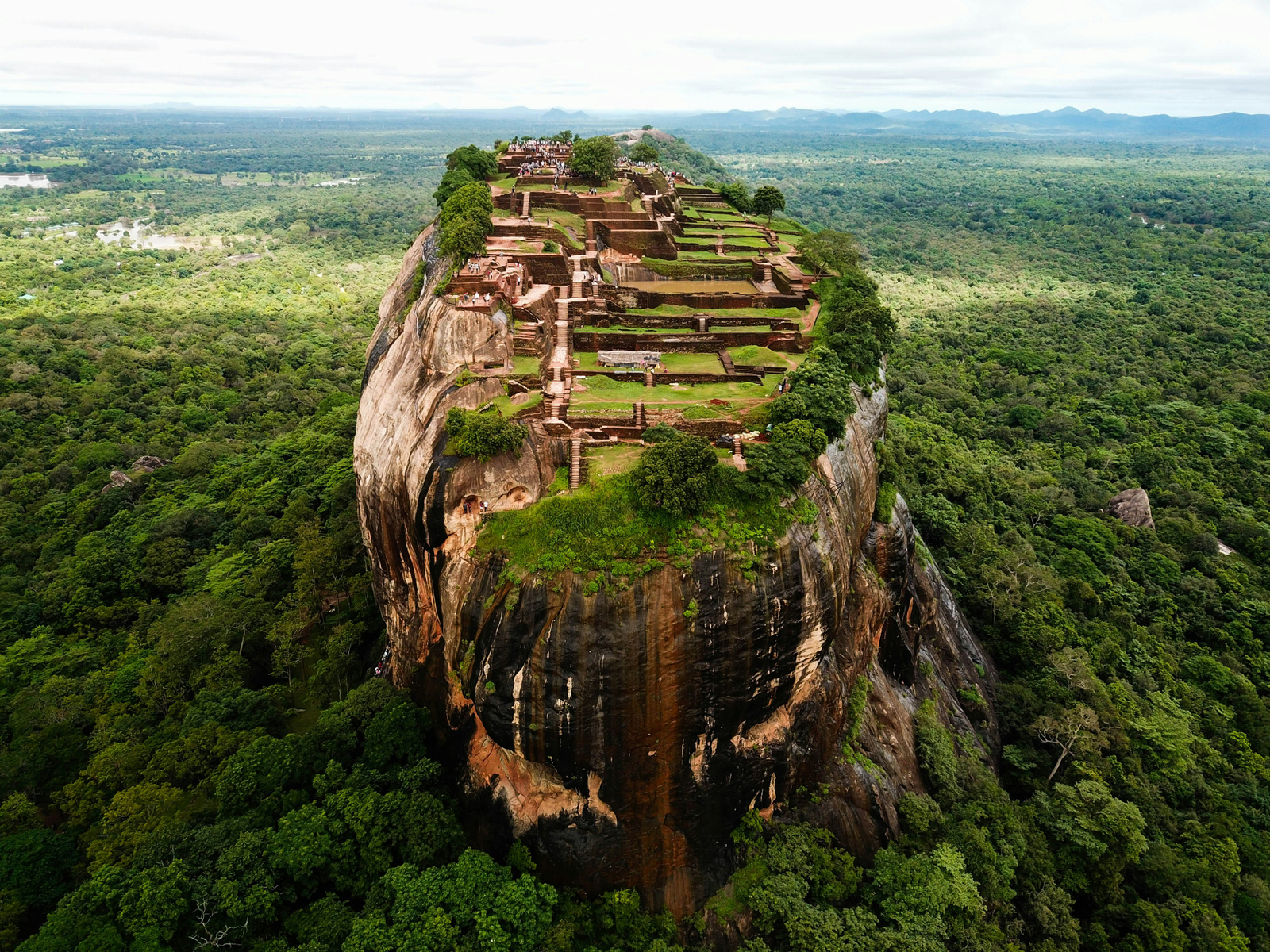
Sri Lanka is a compact island nation off India's southern coast, often called "the teardrop of the Indian Ocean" for its shape and its outsized natural beauty. Within a few hours' drive, the island shifts from golden beaches to misty tea plantations to ancient cities carved into rock. Colombo, the commercial capital, blends colonial architecture with a modern, cosmopolitan energy, while Kandy offers a calmer, spiritual pace centred around the sacred Temple of the Tooth. The hill country around Nuwara Eliya and Ella is draped in emerald tea estates and cooled by a climate unlike anywhere else on the island, best experienced aboard the scenic Kandy-Ella train. Along the coast, Galle's Dutch fort, Mirissa's whale-watching waters, and Bentota's beach resorts round out the experience. Sri Lanka's deep Buddhist heritage, ancient kingdoms like Sigiriya and Anuradhapura, and famed hospitality make it an easy, culturally rich escape for Indian travellers, further helped by short flight times and visa-on-arrival access.
Sikkim & Darjeeling
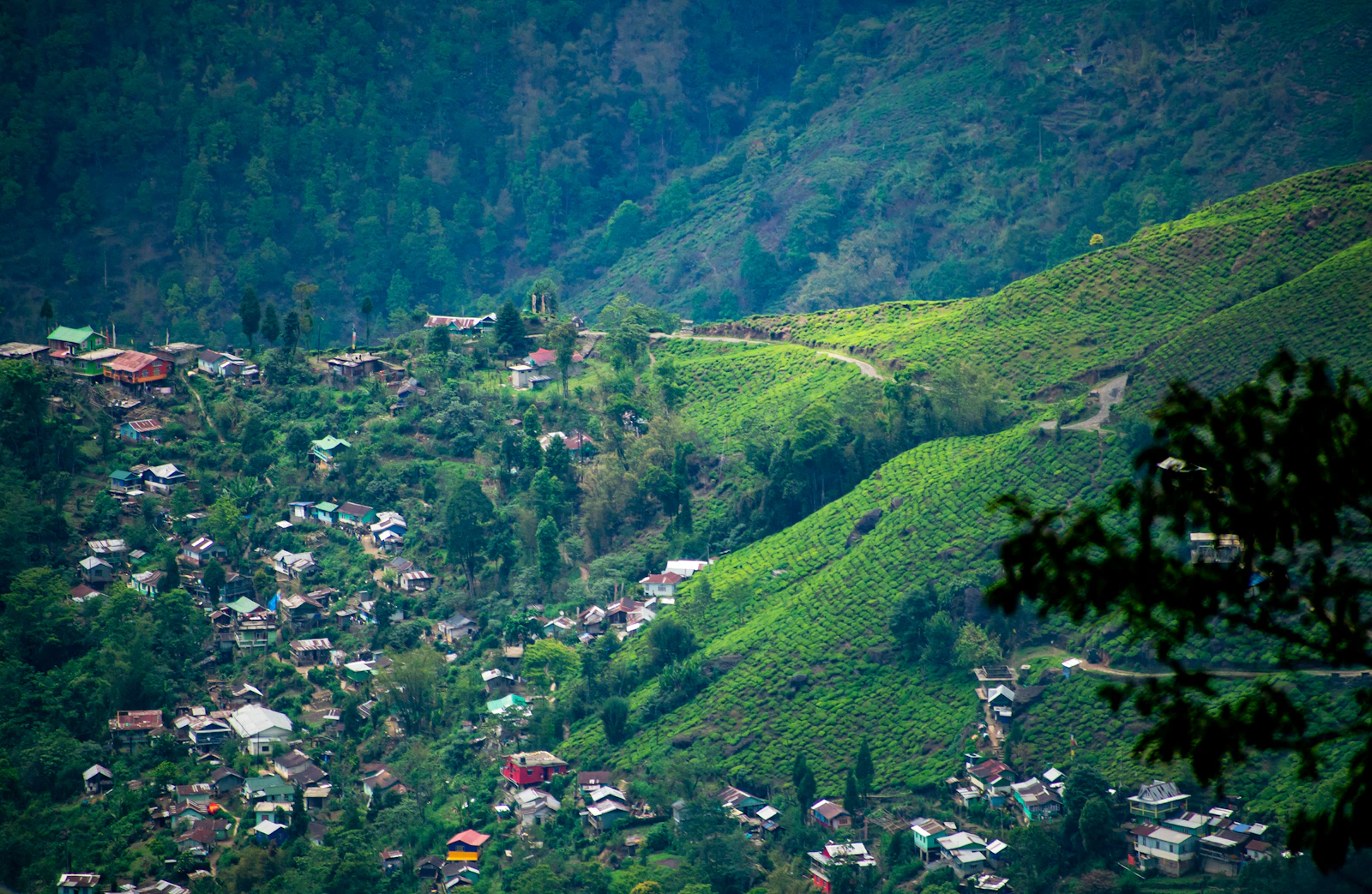
Sikkim and Darjeeling together form one of India's most scenic Himalayan circuits, blending snow-capped peaks, colonial-era hill stations, and vibrant Buddhist culture. Gangtok, Sikkim's capital, offers sweeping views of Kanchenjunga, the world's third-highest peak, along with monasteries like Rumtek and a relaxed, well-organised hill-town charm. North Sikkim's Lachen and Lachung lead to high-altitude wonders like Gurudongmar Lake and the Yumthang Valley, known as the "Valley of Flowers," while Pelling offers some of the most direct views of the Kanchenjunga range. Just across the border in West Bengal, Darjeeling is famed for its sprawling tea estates, the toy train (a UNESCO World Heritage Site), and Tiger Hill's iconic sunrise views over the Himalayas. The region's culture is shaped by Nepali, Bhutia, Lepcha, and Tibetan influences, visible in its monasteries, momos, and unhurried mountain hospitality. With cooler weather, dramatic viewpoints, and a slower pace than more commercial hill stations, Sikkim and Darjeeling appeal to travellers seeking mountains without the crowds.
Singapore
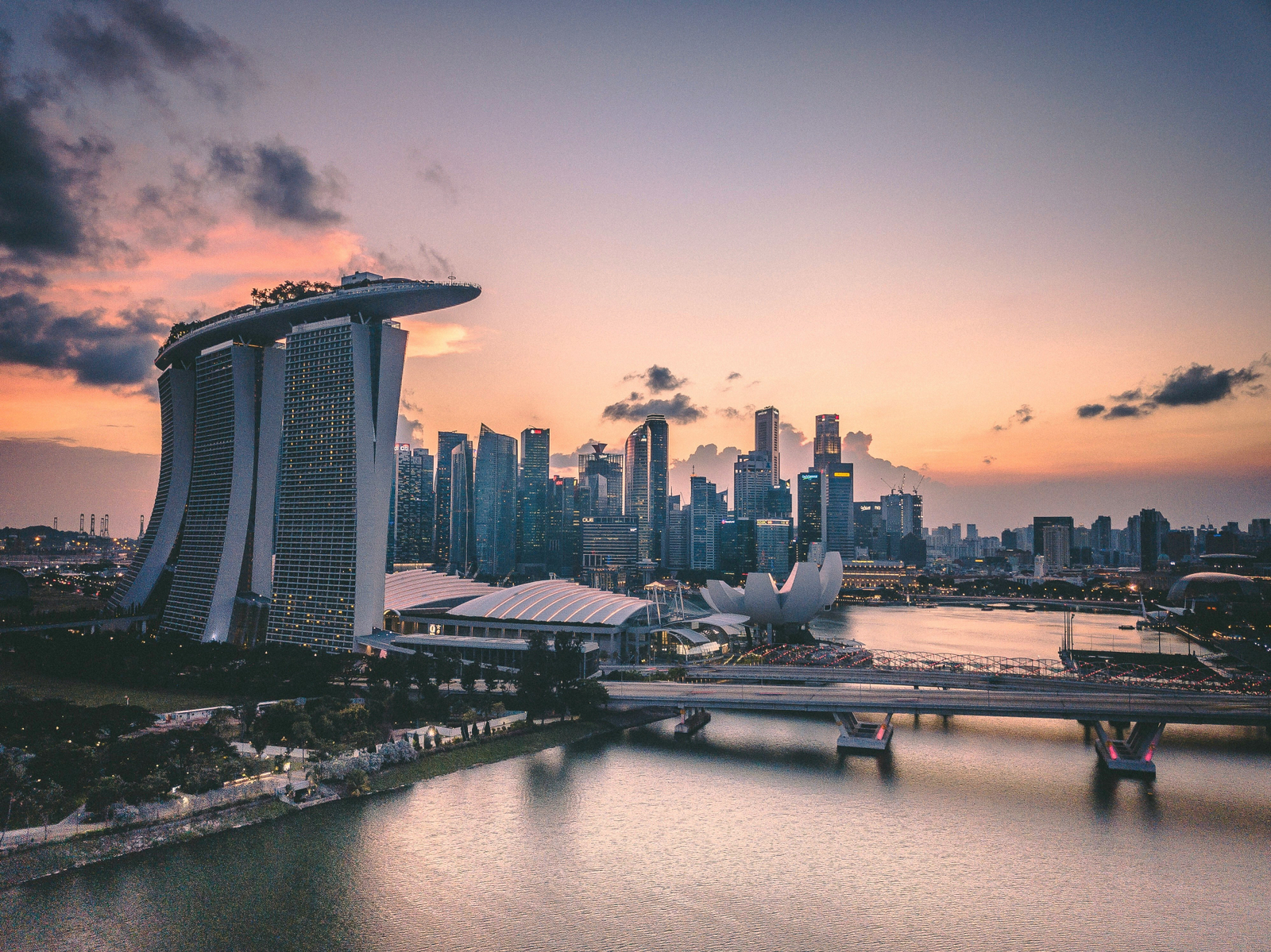
Destination: Singapore — Where the Future Meets the Forest Neon lights reflecting on Marina Bay, the sizzle of satay at a midnight hawker market, and architectural marvels wrapped in lush, cascading jungle. Singapore is a sensory masterpiece that defies gravity and imagination. It is a world where futuristic science-fiction landscapes exist in perfect harmony with deep cultural roots and pristine rainforests. Whether you are planning a thrilling family adventure, a romantic city escape, or a premium leisure getaway, Singapore doesn't just welcome you—it leaves you spellbound. Your next unforgettable chapter is just a click away. Explore our customizable, all-inclusive Singapore tour packages and lock in your perfect vacation today! Why You’ll Love Singapore A City in Nature: Walk across elevated boardwalks beneath towering, glowing Supertrees at Gardens by the Bay, or lose yourself in the misty, cascading waterfalls of the world's largest glass greenhouses. The World's Ultimate Food Playground: From world-famous Michelin-starred street food stalls serving chili crab and Hainanese chicken rice to glamorous rooftop bars overlooking the iconic skyline, Singapore is a culinary pilgrimage. Island of Endless Thrills: Cross over to Sentosa Island, home to world-class entertainment, pristine beaches, and jaw-dropping new attractions like the massive, rebuilt Singapore Oceanarium and the adrenaline-pumping Rainforest Wild Asia. A Tapestry of Cultures: Step through a portal of time as you wander from the vibrant, aromatic lanes of Little India and the historic shop-houses of Chinatown to the ultra-trendy boutiques of Orchard Road.
Thailand
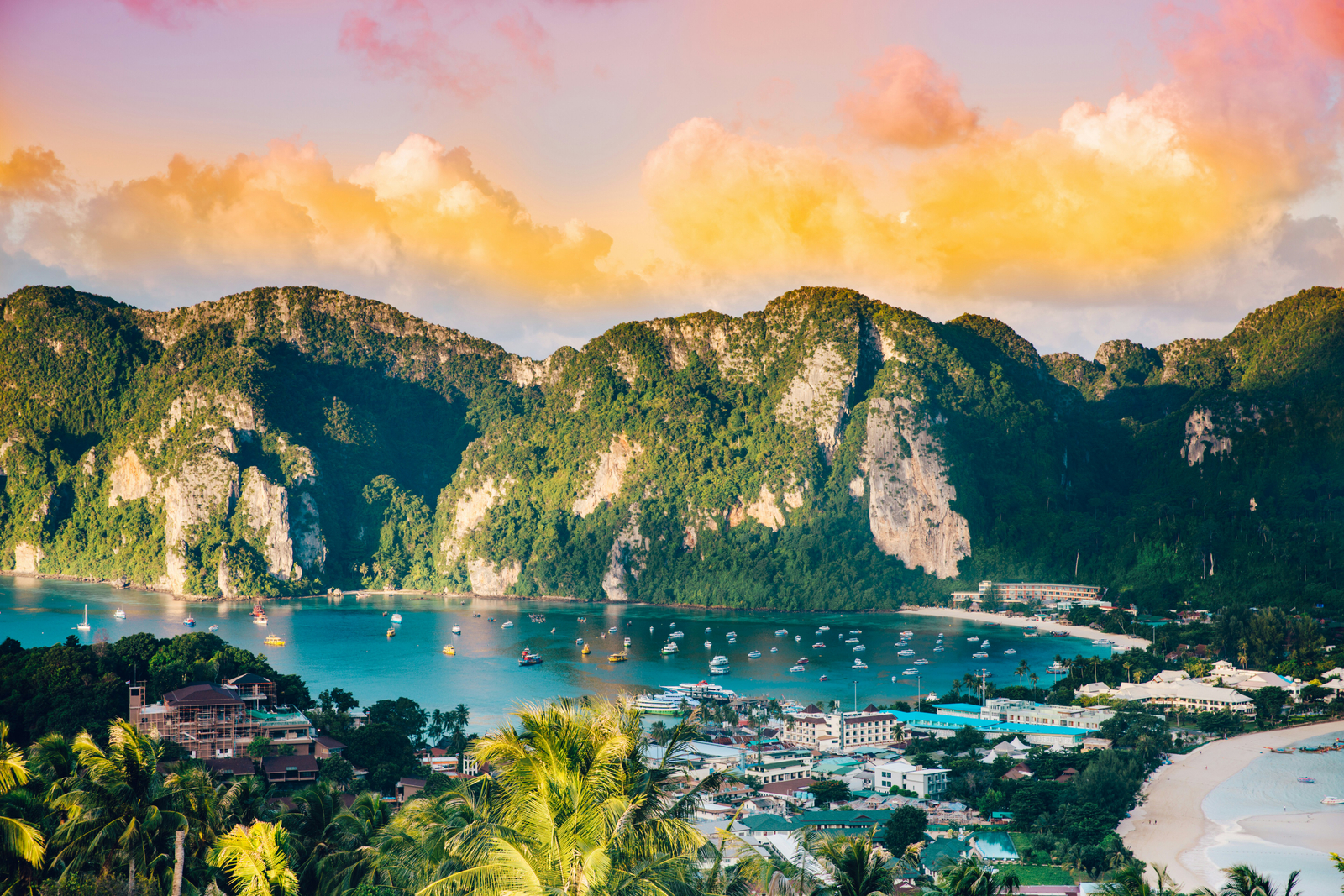
Where Golden Temples Meet Turquoise Shores Thailand is where the Land of Smiles lives up to every promise — a country that moves effortlessly between the neon energy of Bangkok's night markets and the barefoot calm of a private beach in Krabi. It's Southeast Asia's most complete destination: ancient culture, indulgent luxury, buzzing city life, and some of the world's most photographed coastlines, all within a single, easy trip from India. For Indian travellers, Thailand holds a rare double appeal — it's exotic enough to feel like a proper escape, yet close enough (under 4 hours by air) and easy enough (visa-on-arrival, familiar food notes, warm hospitality) to plan without friction. Whether you're chasing a honeymoon in Phuket, a family holiday in Pattaya, or a boutique island retreat in Krabi, Thailand delivers a version of paradise for every kind of traveller. Bangkok greets you first — a city of contrasts, where gleaming rooftop bars sit minutes from centuries-old temples like Wat Arun and the Grand Palace. Glide down the Chao Phraya River at sunset, shop till midnight at Chatuchak, or lose an evening to the sizzle and spice of a street-food alley. It's chaotic, glamorous, and unforgettable in equal measure. Head south and Thailand slows into island time. Phuket offers five-star resorts, beach clubs, and sunset views over the Andaman Sea. Krabi trades polish for drama — limestone cliffs rising straight out of emerald water, hidden lagoons, and longtail boats to islands that look almost unreal. Koh Samui and Koh Phi Phi round out the postcard, each with its own rhythm of beach days and quiet luxury. Beyond the views, Thailand's soul lies in its people and its plates. Buddhist temples radiate a sense of calm that lingers long after the trip ends. Thai cuisine — tom yum, pad thai, mango sticky rice, fiery curries — turns every meal into an event. And the famed Thai hospitality means five-star service is standard, not a splurge. Best time to visit Thailand: November to February, when the weather is cool, dry, and ideal for both beach days and city exploring — making it one of the best winter holiday destinations from India. At Tourishq, our Thailand holiday packages are curated to capture this exact balance — the culture of Bangkok, the luxury of Phuket, the drama of Krabi — with private transfers, handpicked stays, and a dedicated trip manager ensuring every detail is as smooth as the trip itself. Whether it's a quick 4-day getaway or a 10-day grand Thailand circuit, this is a destination built to be experienced, not just visited.
Vietnam
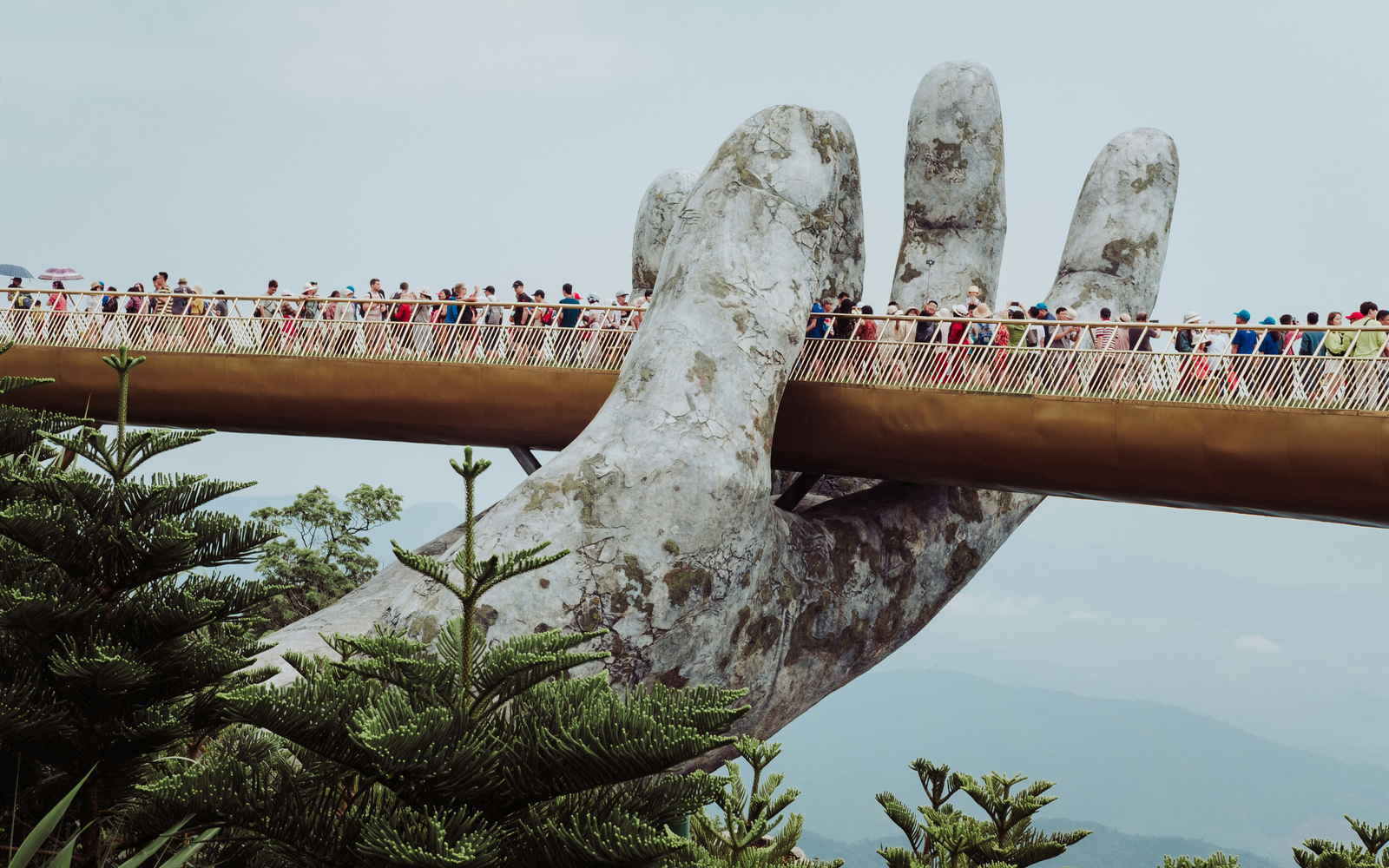
Vietnam is a striking Southeast Asian country stretching along the South China Sea, famed for its dramatic landscapes, layered history, and effortless charm. In the north, Hanoi's Old Quarter hums with street food stalls and French colonial architecture, while nearby Ha Long Bay unveils thousands of limestone karsts rising from emerald waters, best explored aboard an overnight cruise. Central Vietnam offers Hoi An's lantern-lit ancient town and tailor shops, while the south's Ho Chi Minh City moves at a faster, more cosmopolitan pace. Vietnam's culture blends Buddhist, Confucian, and French colonial influences, reflected in its temples, pagodas, and cuisine — pho, banh mi, and fresh spring rolls have made it one of the world's most loved food destinations. Affordable luxury, warm hospitality, and visa-on-arrival access make Vietnam an increasingly popular choice for Indian travellers seeking something offbeat yet easy to plan.
Kerala
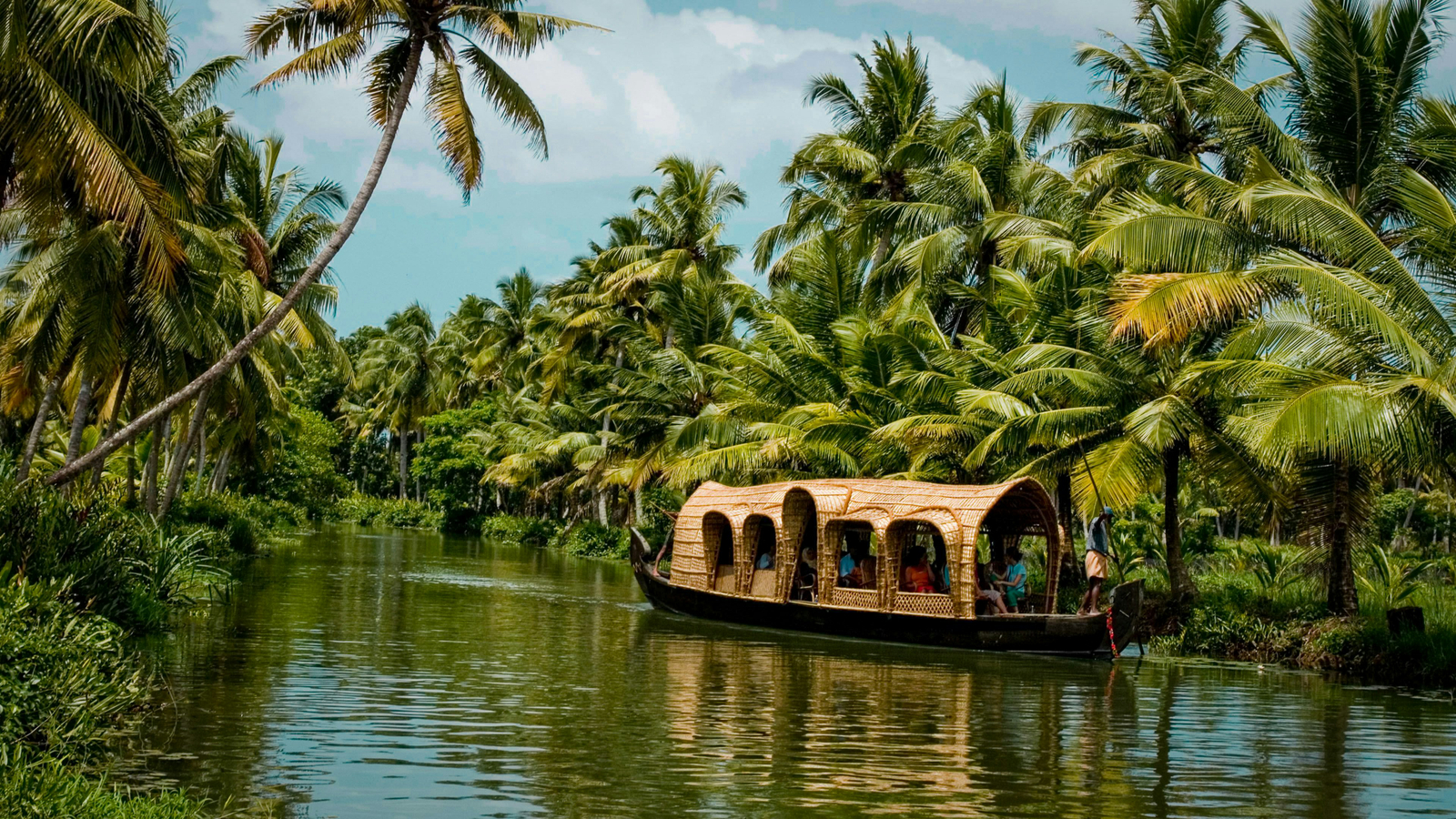
Kerala, known as "God's Own Country," is a lush southern Indian state famed for its palm-fringed backwaters, misty hill stations, and pristine beaches. Alleppey and Kumarakom anchor the backwater experience, where traditional houseboats drift through a maze of canals, paddy fields, and coconut groves at an unhurried pace. Munnar, set high in the Western Ghats, unfolds in endless rolling tea plantations, cool mountain air, and cardamom and spice estates. Along the coast, Kovalam and Varkala offer laid-back beach towns with dramatic cliffside views, while Kochi blends colonial Portuguese, Dutch, and British influences with Chinese fishing nets and a thriving arts scene. Kerala's identity is deeply tied to Ayurveda, with wellness retreats and traditional treatments available across the state, alongside a cuisine built around coconut, seafood, and spices. Boat races, classical Kathakali performances, and a slower, more tropical rhythm of life make Kerala one of India's most complete and relaxing destinations.
Himachal Pradesh
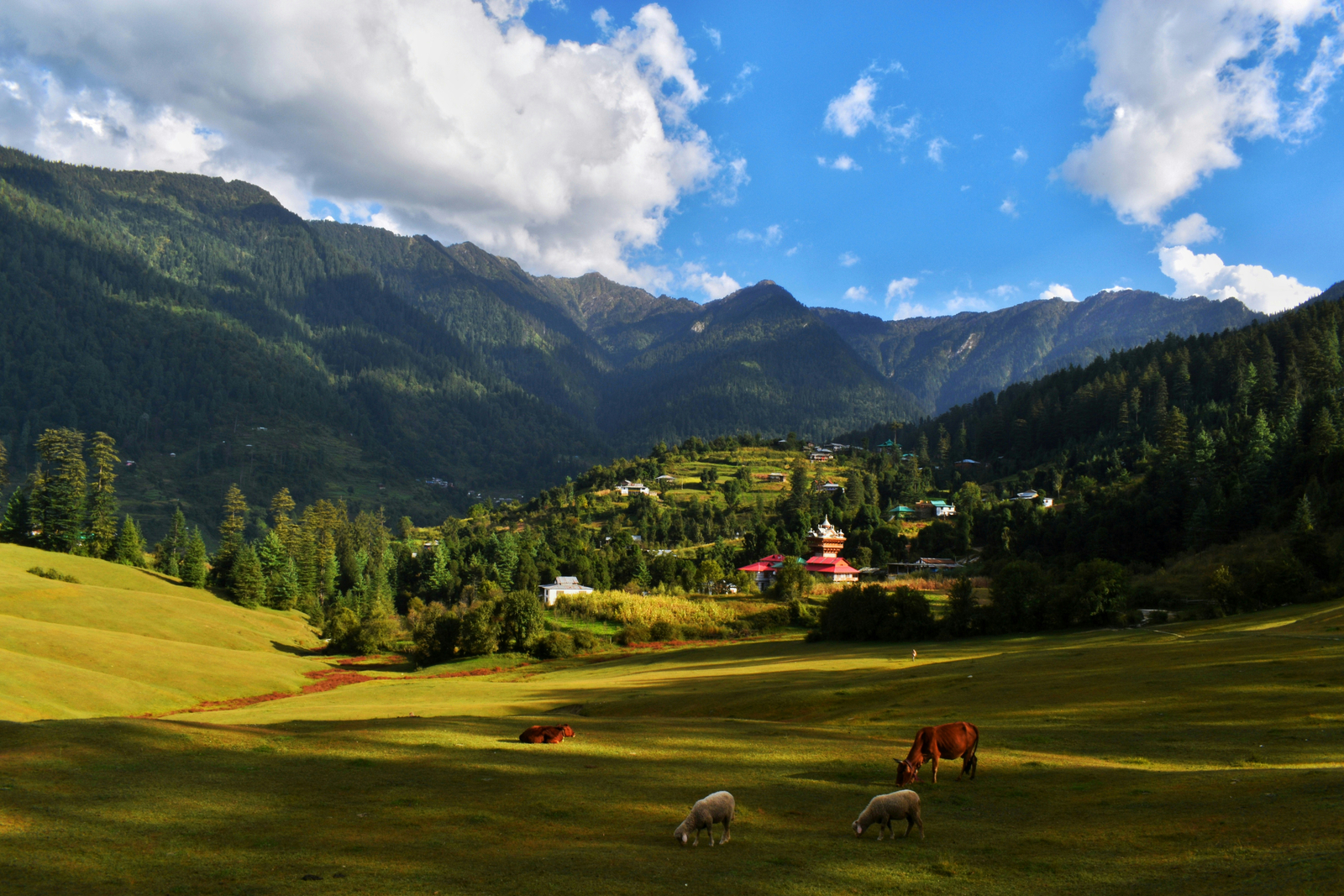
Himachal Pradesh is a Himalayan state in northern India, celebrated for its snow-capped peaks, pine-covered valleys, and a mix of colonial hill stations and offbeat mountain towns. Shimla, the former summer capital of British India, retains its colonial charm with the Mall Road, Ridge, and toy train connecting it to the plains below. Manali, set along the Beas River, serves as a base for adventure sports, high-altitude excursions to Rohtang Pass and Solang Valley, and access to the wider Himalayan range. Nearby, Kasol and the Parvati Valley have become popular with backpackers for their riverside cafes, trekking trails, and laid-back village atmosphere, while Dharamshala and McLeod Ganj offer a spiritual, Tibetan-influenced side of the state as home to the Dalai Lama's residence-in-exile. Himachal's culture blends Hindu and Buddhist traditions, apple orchards line entire valleys, and its cuisine features hearty, mountain-suited dishes like dham and siddu. With destinations suited to both relaxed hill station holidays and serious adventure travel, Himachal Pradesh remains one of India's most versatile mountain states.
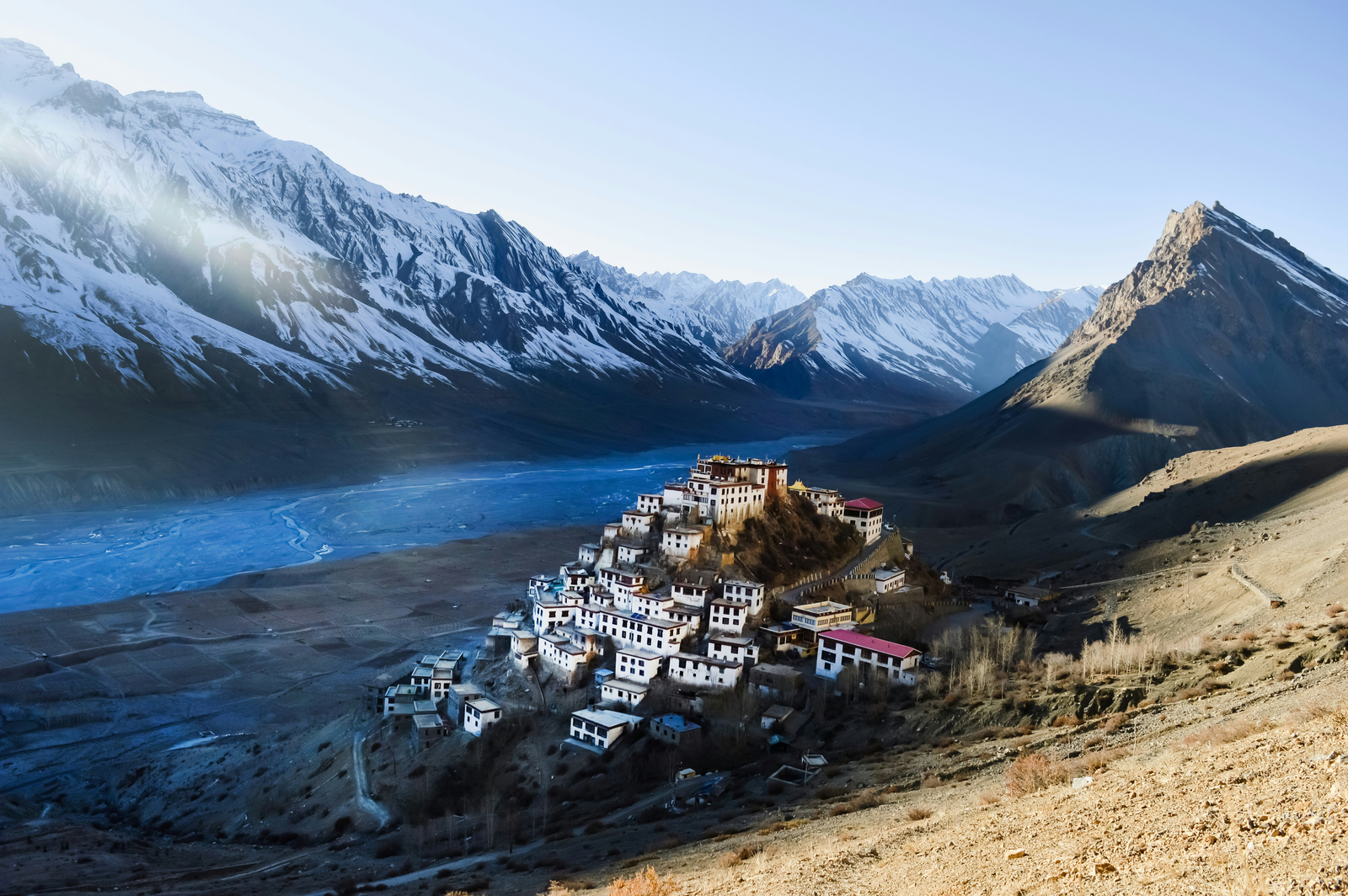
Spiti
Spiti Valley is a remote, high-altitude cold desert in Himachal Pradesh, often described as "Little Tibet" for its stark landscapes and deep Buddhist heritage. Tucked between the Himalayas and the Tibetan plateau, Spiti is defined by barren mountains in shades of ochre and grey, turquoise rivers, and villages perched at altitudes few destinations in India can match. Key, one of the oldest and largest Tibetan Buddhist monasteries in the region, overlooks the valley from a dramatic hilltop, while villages like Kaza, Langza, Komic, and Hikkim (home to the world's highest post office) offer a glimpse into a way of life shaped entirely by altitude and isolation. Chandratal Lake, a crescent-shaped alpine lake, and the dramatic Kunzum Pass add to Spiti's reputation as one of India's most striking road-trip destinations. With minimal cellular connectivity, sparse population, and landscapes that shift between lunar-like plains and snow-capped peaks, Spiti attracts travellers seeking genuine remoteness rather than conventional luxury.
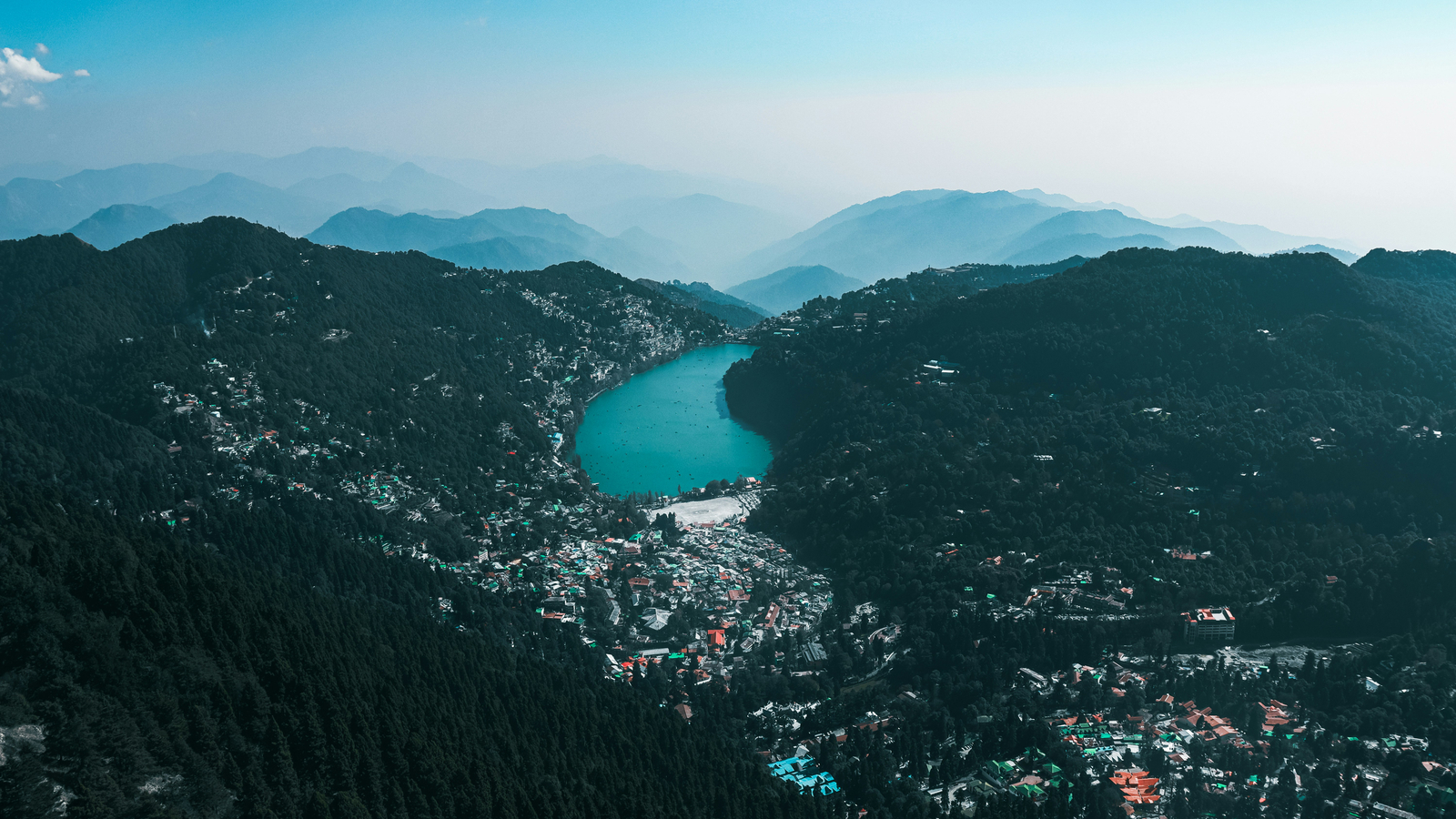
Uttarakhand
Uttarakhand, often called the "Land of Gods," is a Himalayan state in northern India known for its spiritual significance, adventure tourism, and pristine mountain scenery. Rishikesh, on the banks of the Ganges, has become one of the world's leading destinations for yoga, meditation, and white-water rafting, while Haridwar's evening Ganga Aarti draws pilgrims from across the country. The hill station of Nainital, built around a crescent-shaped lake, offers a colonial-era charm with boating, mall roads, and cool mountain air, while Mussoorie, dubbed the "Queen of the Hills," provides sweeping Himalayan views and vintage hill-station character. Uttarakhand is also the gateway to the Char Dham Yatra, encompassing the sacred shrines of Kedarnath, Badrinath, Gangotri, and Yamunotri, alongside trekking routes like the Valley of Flowers and Roopkund. With a landscape ranging from riverside spiritual towns to alpine meadows and glacial peaks, Uttarakhand appeals equally to pilgrims, adventure travellers, and families seeking a classic Himalayan hill station experience.
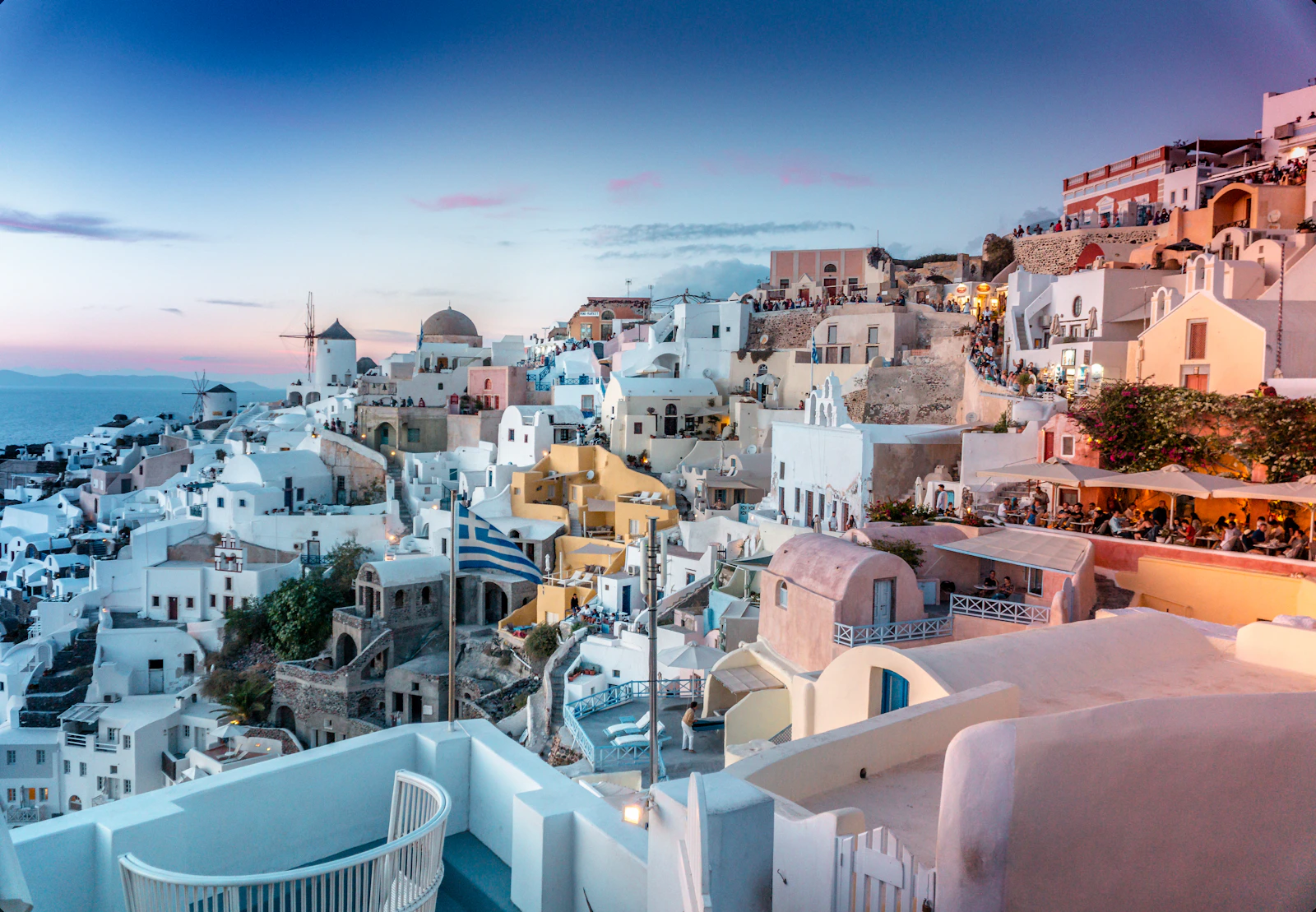
Santorini
Perched on the rim of a submerged ancient volcano, Santorini is the most dramatic of the Greek Cyclades. Whitewashed cube houses spill down cliffs into the deep-blue caldera, and each evening the village of Oia dissolves into one of the world's most photographed sunsets. Beyond the postcard views lie 3,500-year-old ruins at Akrotiri, black-sand beaches at Perissa, and a growing wine trail through sun-baked vineyards of Assyrtiko grapes.
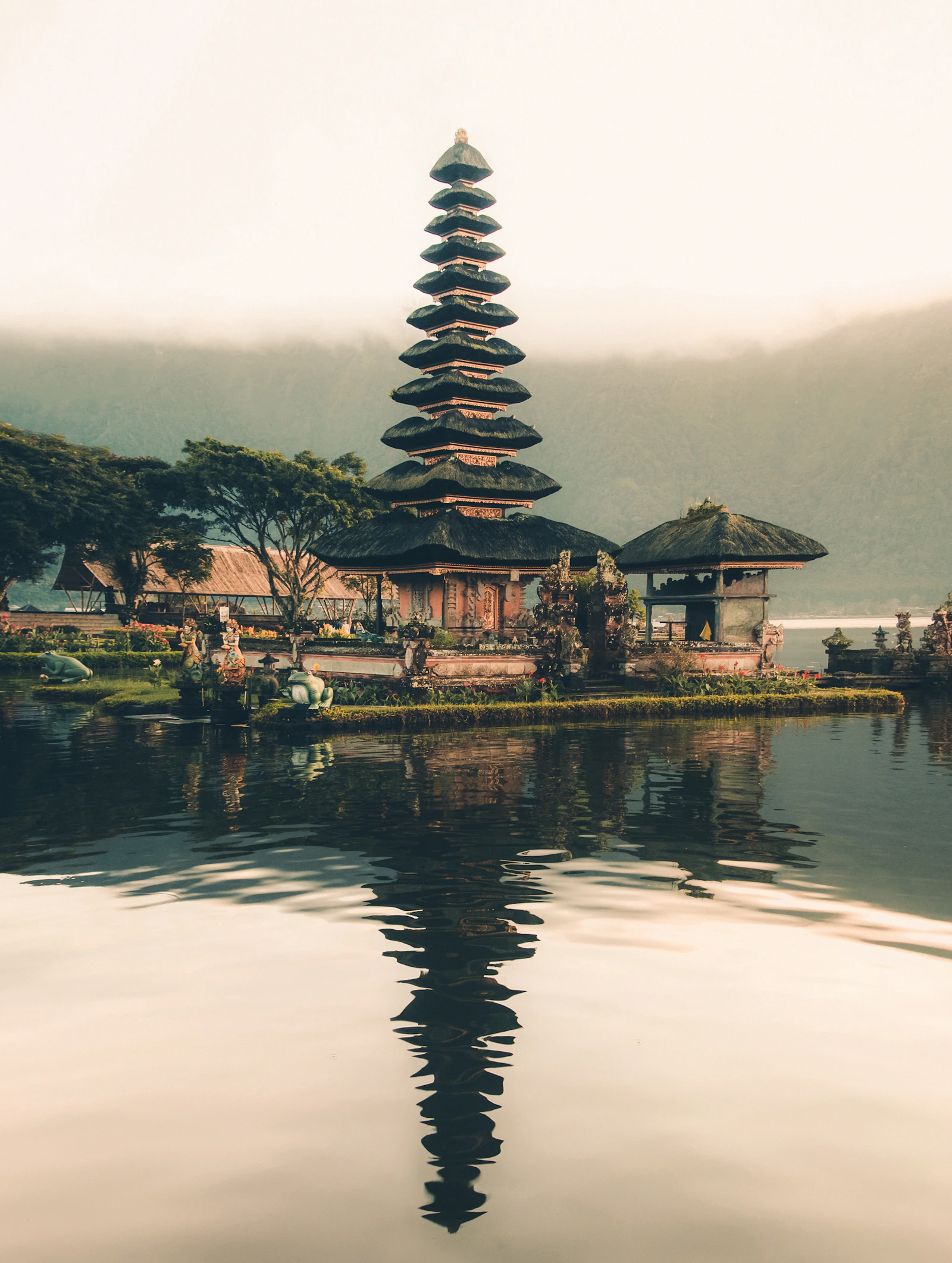
Bali
Bali is Indonesia's spiritual heart and the world's favourite tropical island. Ancient Hindu temples cling to sea cliffs at Uluwatu, terraced rice paddies glow emerald at Tegallalang, and the artistic village of Ubud buzzes with galleries, healers, and yoga retreats. From world-class surf at Canggu to sunrise treks up Mount Batur, the island packs more experiences into one compact destination than almost anywhere on earth.
Maldives
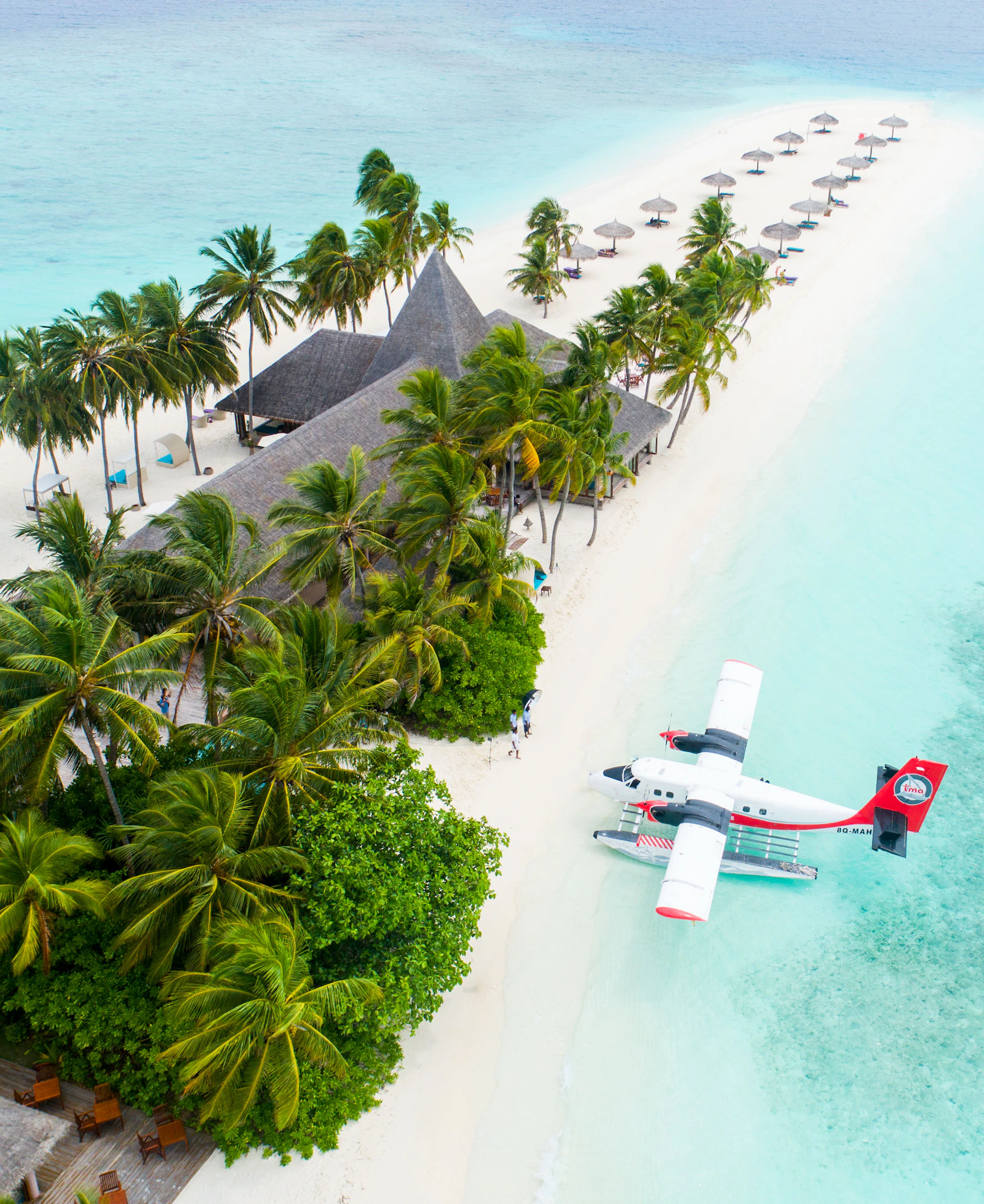
The Maldives is an archipelago of 1,192 coral islands scattered across the Indian Ocean, a UNESCO Biosphere Reserve, and the lowest-lying nation on Earth. It is also home to the overwater villa — a concept it invented and perfected. Crystalline lagoons in every shade of turquoise shelter manta rays, whale sharks, and the world's most elaborate house reefs. Each resort occupies its own private island; barefoot luxury is not a cliché here — it's simply how life works.

Amalfi Coast
The Amalfi Coast stretches for 50km along the Sorrentine Peninsula in southern Italy — a UNESCO World Heritage landscape of sheer limestone cliffs, pastel-coloured villages, and terraced lemon groves plunging to a sapphire sea. Each village has its own character: Positano is glamorous and fashion-forward; Ravello is artistic and elevated; tiny Atrani hides the most authentic daily life. The coast road (SS163) is one of the world's great drives, best done in a convertible with a playlist of Italian classics.
Dubai
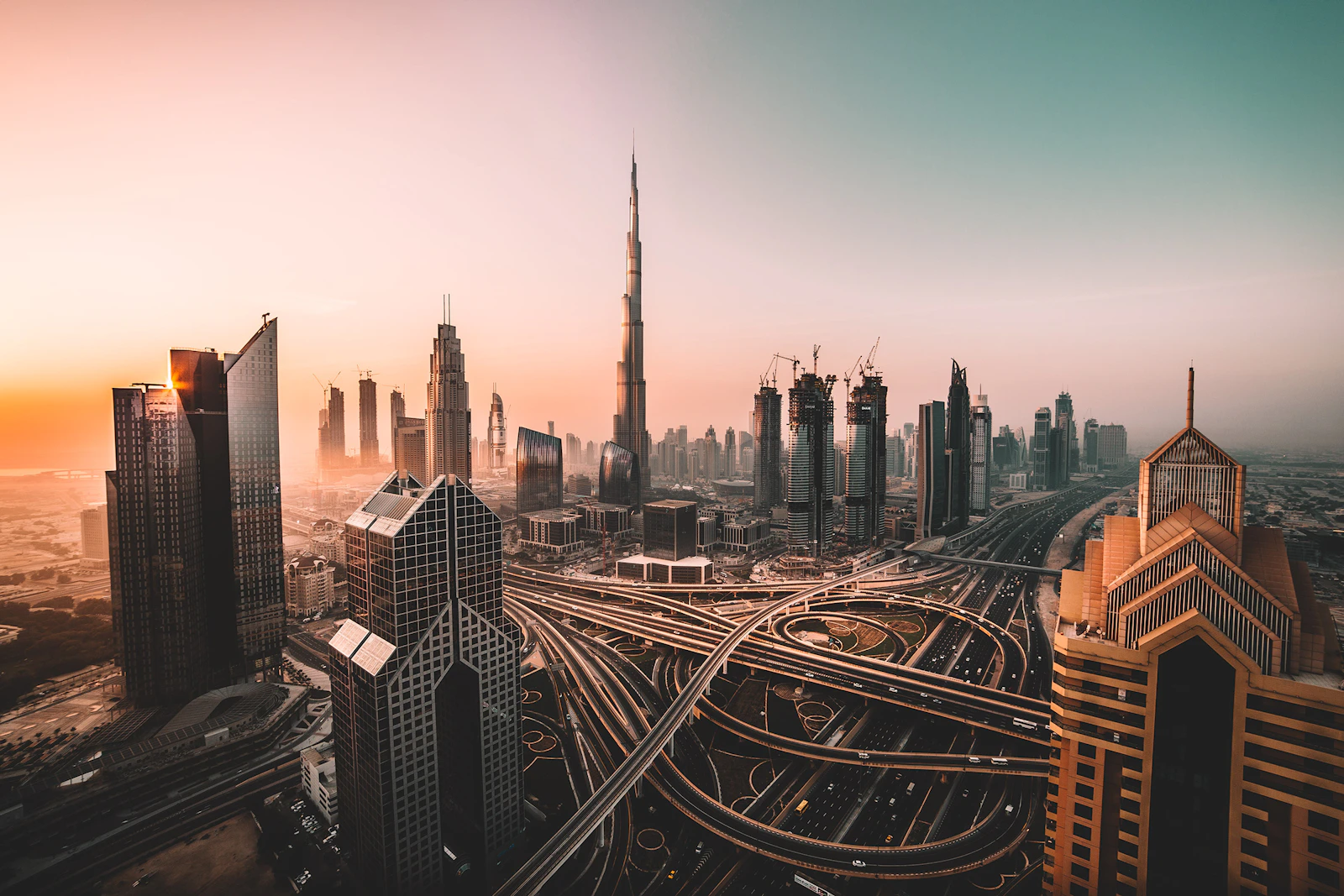
Dubai is the world's fastest-evolving city — a desert outpost that, in 50 years, built itself into a global capital of luxury, architecture, and reinvention. The Burj Khalifa pierces the sky at 828m; the Palm Jumeirah rises from the sea; and the old Deira spice souks smell exactly as they did a century ago. Dubai does everything at superlative scale: the world's tallest hotel, largest mall, biggest indoor ski slope, and most ambitious real estate projects on earth. Yet it also has a thoughtful old city, world-class art galleries, and a desert that starts ten minutes from downtown.